
Measuring What Matters: Tackling Burnout in Early Phase Oncology Trials
2 April 2026
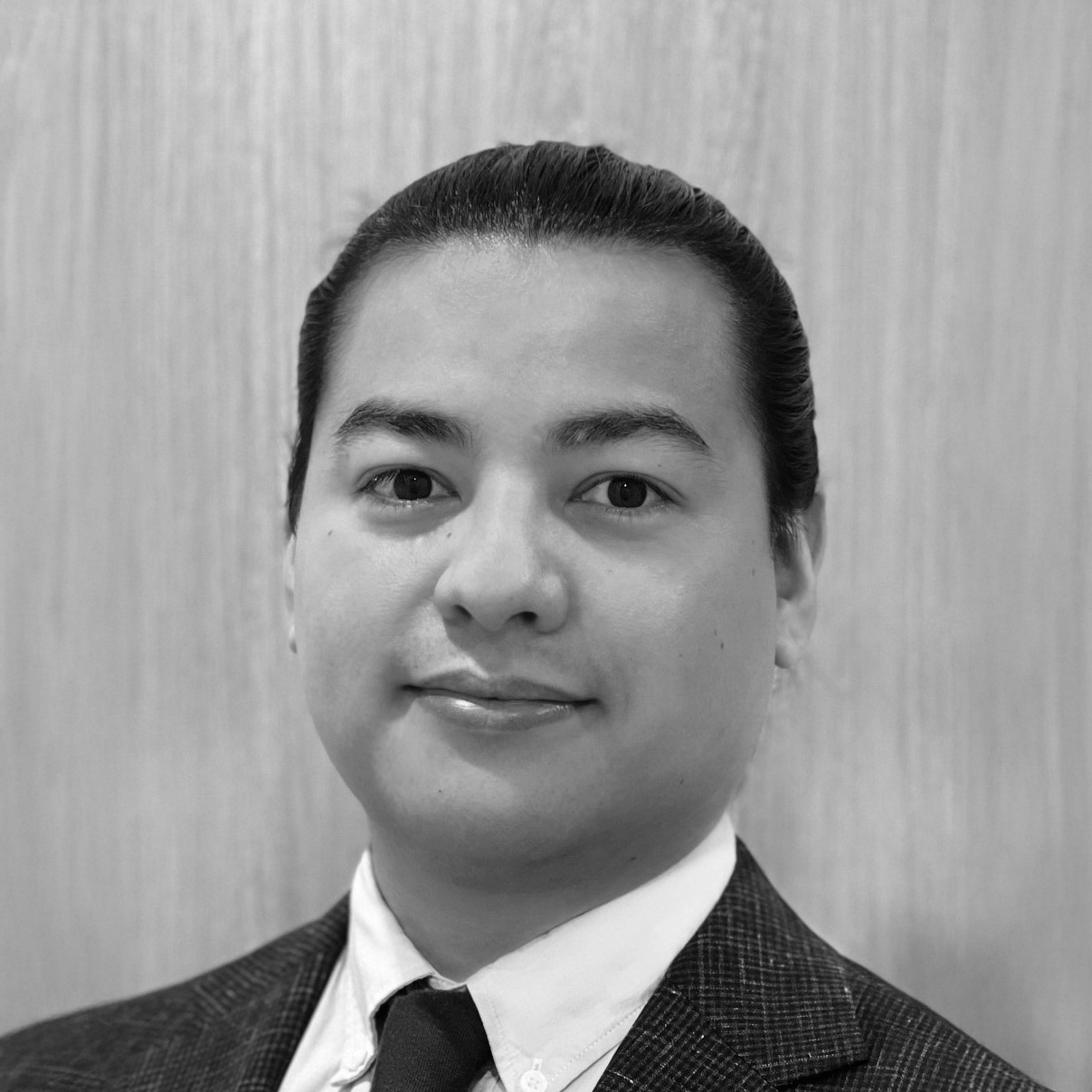
Anthony Rodrigues MMPP
Medical Oncologist, The Kinghorn Cancer Centre, St Vincent's Hospital, Sydney


This article is sponsored by
As clinical trials grow more complex, so too does the burden placed on the workforce responsible for delivering them. Nowhere is this more evident than in early phase oncology trials, where scientific innovation is accelerating at a pace that is reshaping both therapeutic development and the day-to-day realities of clinical trial units.
The evolution of early phase clinical trials has introduced increasingly sophisticated designs, including umbrella and basket trials with backfill cohorts, alongside biomarker-driven patient selection. These advances are critical to progress in personalised medicine. However, they also drive a substantial increase in workload complexity for clinical trial coordinators. At the same time, improved treatment efficacy means patients are remaining on trials longer, further accumulating workload demands across the trial lifecycle.
A workforce under pressure
The modern early phase trial environment is defined by intensity and scale. Trials frequently involve multiple cohorts, combination therapies, and highly specific eligibility criteria requiring extensive screening. Coordination now extends well beyond traditional administrative functions to include complex safety monitoring, data management, and cross-disciplinary logistics.
Importantly, early phase trials are increasingly therapeutic in intent. Patients are referred earlier, recruitment volumes are higher, and waiting lists continue to grow. While this reflects the success of innovation in oncology, it also places sustained pressure on trial teams managing large, complex caseloads over extended periods.
At a system level, the impact is becoming clear. Clinical trial units across Australia and New Zealand have expanded their workforce in response to demand, yet staff retention remains a persistent challenge. Burnout, driven by excessive and often poorly quantified workloads, is emerging as a key contributor.
This is not simply a workforce issue. Burnout has downstream effects on trial quality, patient safety, and system capacity. Reduced productivity, declining data quality, and staff turnover all compromise the ability of trial units to deliver timely, high-quality research and ensure patient access to emerging therapies.
The limits of existing models
Attempts to quantify trial workload are not new. Tools such as the Ontario Protocol Assessment Level scoring system have sought to standardise complexity by focusing on protocol characteristics rather than patient numbers.
However, these approaches are insufficient in the contemporary early phase oncology setting. They are largely protocol-centric and fail to capture several critical drivers of workload, including the complexity of modern therapies such as cellular therapies and genetically modified products, the involvement of multiple departments, and the dynamic nature of trial phases from screening through to follow-up. They also overlook patient-specific factors such as comorbidities, language needs, and geographic challenges, as well as the growing burden of data systems and electronic data capture platforms.
The result is a disconnect between theoretical workload models and the lived experience of coordinators.
A new approach: the BALANCE calculator
The BALANCE Project was developed to address this gap. It builds on existing frameworks but introduces a more nuanced, practical approach tailored to early phase oncology trials.
At its core, the model restructures early phase trials into three tiers based on protocol-driven complexity. It incorporates patient-level factors, integrates the burden of data management systems, and adjusts for coordinator experience to avoid overloading less experienced staff.
Workload is calculated dynamically at both the protocol and coordinator caseload level, producing a more comprehensive picture of capacity and demand.
Crucially, the model extends beyond measurement. By integrating validated quality of life surveys and working hours data, it enables the relationship between workload and wellbeing to be explored in a meaningful way.
From measurement to action
The objective of the BALANCE Project is to move from subjective assessments of workload to evidence-based definitions of what constitutes a manageable workload in early phase trials.
A pilot study at the Kinghorn Cancer Centre is currently underway, examining the relationship between workload scores, working hours, and staff wellbeing. The intent is to identify thresholds that support both operational efficiency and workforce sustainability.
If validated, this approach has the potential to inform workforce planning, improve staff retention, and enhance overall trial performance. It may also provide a framework for more informed resource allocation and budgeting in clinical trial units.
Reframing workforce as infrastructure
Ultimately, this work reflects a broader shift in how we need to think about the clinical trials ecosystem. The workforce is not a secondary consideration. It is fundamental infrastructure.
Clinical trial coordinators are central to the delivery of safe, high-quality research and to ensuring patients can access innovative therapies. As trial complexity continues to increase, the ability to measure, manage, and support this workforce will become essential.
Sustainable clinical research depends not only on scientific innovation, but on the people who make it possible.